Quinn Powell · 23 November 2026
Sardinian Vineyards Integrate Traditional Grapes with Targeted Water Systems to Address Rainfall Variability
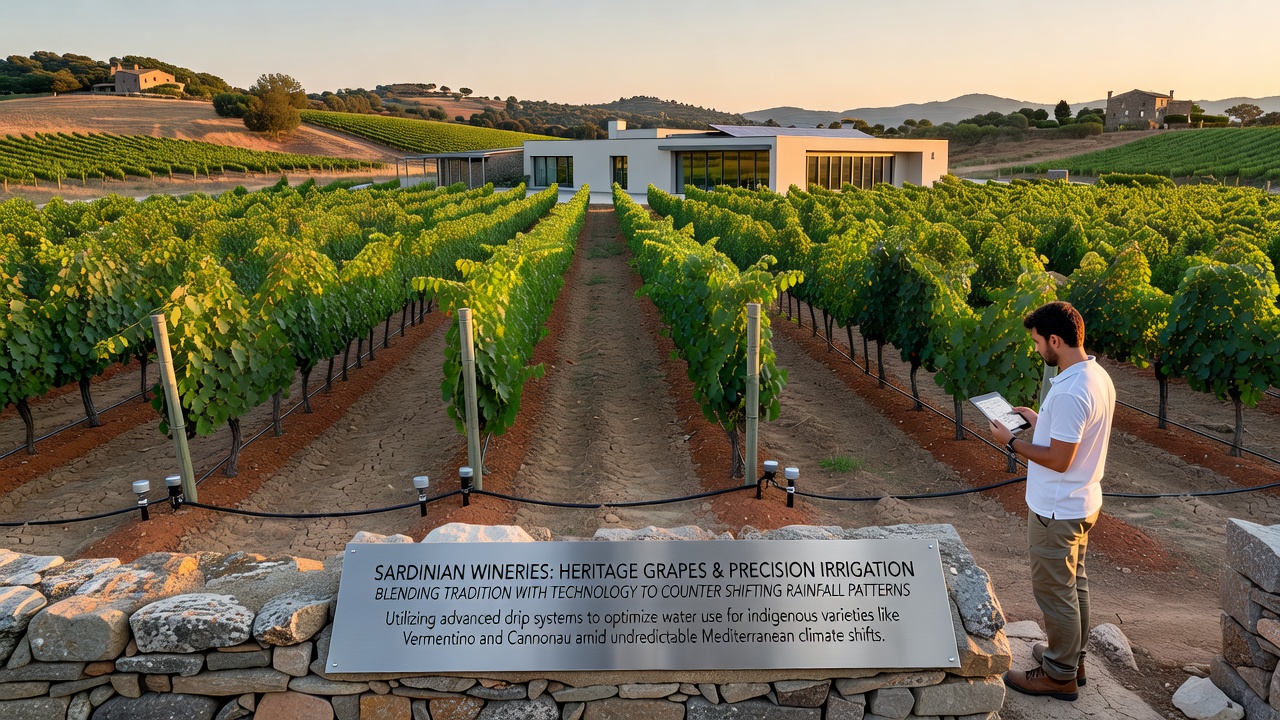
Wineries across Sardinia continue to combine long-established grape varieties with advanced irrigation methods as precipitation patterns shift across the island's growing regions. Data from regional agricultural monitoring stations indicate that annual rainfall totals have fluctuated notably since the early 2000s, prompting adjustments in vineyard management practices. Observers note that producers in areas such as Gallura and Mandrolisai have maintained focus on varieties like Vermentino and Cannonau while introducing sensor-based water delivery systems to maintain vine health during drier intervals.
Heritage Grapes and Their Role in Sardinian Production
Heritage varieties form the backbone of Sardinian wine output, with Cannonau covering extensive acreage in the eastern provinces and Vermentino thriving in the northern zones. Agricultural records show these grapes have adapted to the island's Mediterranean conditions over centuries, yet recent decades have introduced periods of reduced spring and autumn rainfall that affect berry development stages. Researchers at Italian viticulture institutes have documented how these varieties respond to water stress through changes in phenolic compound accumulation, and wineries now track those metrics alongside soil moisture readings to time interventions precisely.
Producers report that blending plantings of older varieties with newer clonal selections allows for staggered ripening schedules, which spreads harvest workloads and buffers against sudden weather shifts. One study conducted by a university team in southern Europe tracked multiple plots and found that mixed-variety blocks maintained consistent yields even when total rainfall dropped below historical averages for three consecutive seasons.
Observed Changes in Precipitation Across the Island
Meteorological data compiled through 2026 reveal that Sardinia has experienced more frequent short-duration droughts interspersed with intense rainfall events, particularly during the autumn months leading into harvest. Government weather services in the Mediterranean region have recorded these patterns across multiple stations, and vineyard managers use the information to adjust irrigation schedules rather than relying solely on stored winter moisture. The shifts have prompted coordinated efforts among cooperatives to share real-time rainfall data through centralized platforms that update daily during critical growth periods.
Precision Irrigation Methods in Practice
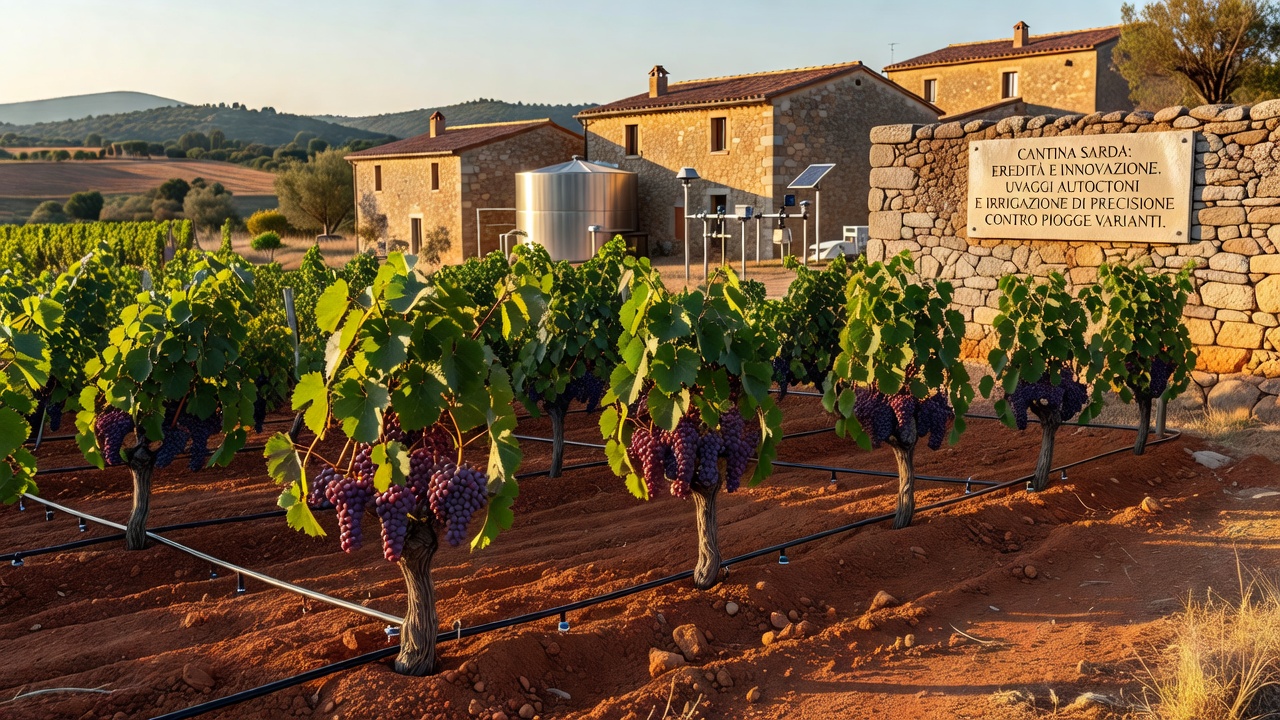
Precision systems rely on soil probes, weather stations, and automated valves that deliver water directly to root zones based on measured deficits. Wineries in the Sulcis region installed such networks starting in 2022, and subsequent seasons showed reduced overall water usage while maintaining grape quality parameters such as sugar levels and acidity. Technicians calibrate the equipment seasonally, incorporating forecasts from regional climate models that project further variability through the end of the decade. These setups integrate with mobile applications that alert crews when thresholds are crossed, allowing rapid responses without over-application.
Combining Traditional Knowledge with Modern Tools
Many estates retain elements of older dry-farming techniques while layering on targeted irrigation only during verified stress periods. This hybrid approach draws from generational observations of vine behavior under local conditions and pairs them with quantitative data from tensiometers and satellite imagery. Field trials conducted by agricultural extension services have demonstrated that such combinations preserve the flavor profiles associated with heritage grapes, including the characteristic herbal notes in Vermentino and the robust tannins in Cannonau, even as rainfall timing changes. Cooperatives in central Sardinia have begun offering training sessions where older farmers share insights on micro-terroir differences that complement the sensor readings.
Industry reports from European wine organizations indicate that adoption rates for precision irrigation in Sardinia rose steadily through 2025, with additional installations planned for 2026 as equipment costs continue to decline. Those who've implemented the systems note fewer instances of uneven ripening across vineyard blocks, which simplifies logistics at crush time.
Outcomes Observed in Recent Harvests
Production statistics released by the regional agriculture department for the 2025 vintage showed stable volumes from monitored estates despite irregular spring rains, and early indicators for 2026 point to similar resilience. Quality assessments continue to highlight that wines from these managed vineyards retain the distinctive characteristics expected from Sardinian appellations. Ongoing monitoring by research groups tracks long-term effects on soil health and vine longevity under the combined traditional and technological regime.
Conclusion
Sardinian wineries demonstrate how established grape varieties can coexist with precision water management to navigate evolving rainfall conditions. Continued data collection and cross-regional exchanges support further refinements as producers track developments into late 2026 and beyond.