Quinn Powell · 1 September 2026
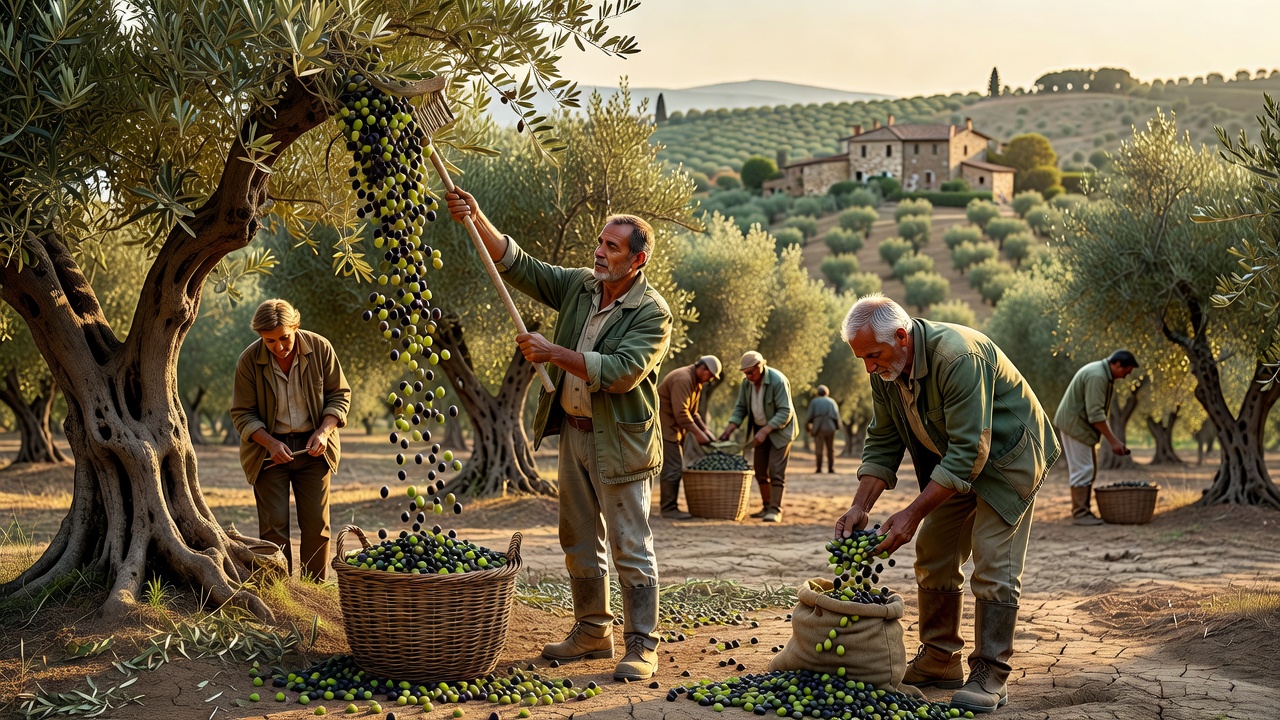
Recent assessments from Tuscany indicate robust olive oil production this season, with yields surpassing initial projections across key growing districts. Farmers and cooperatives report healthy fruit development following a mild spring and consistent summer rainfall that supported tree vitality without excess humidity. Industry analysts note that the combination of favorable weather and effective pest management has contributed to larger olive volumes per hectare compared to the previous two years.
Key Factors Driving Higher Production
Regional agricultural offices in provinces such as Florence, Siena, and Pisa have compiled data showing average increases of 15 to 20 percent in olive output. Varieties including Frantoio and Leccino have performed particularly well, with fruit exhibiting optimal oil content at harvest time. Technicians attribute the results to reduced incidence of olive fly, aided by targeted monitoring programs and timely interventions. Soil moisture levels remained adequate through critical growth phases, minimizing stress on trees and supporting uniform ripening. Local mills have already begun processing early batches, with first-press samples displaying balanced acidity and pronounced fruity notes typical of Tuscan extra-virgin oils.
Cooperative leaders emphasize that these conditions allow for efficient harvesting schedules, reducing the risk of quality loss from delayed collection. Many estates have invested in mechanical shakers and nets to accelerate picking while preserving fruit integrity. The resulting oil is expected to meet stringent quality standards required for protected designation of origin certification, reinforcing Tuscany's reputation for premium products.
Economic and Culinary Significance
Strong yields are projected to stabilize supply for both domestic markets and export channels, supporting producers amid fluctuating global prices. Tuscany's olive oil sector contributes substantially to the regional economy, with thousands of small and medium farms relying on the annual harvest. Increased availability may also benefit restaurants and retailers seeking authentic Italian ingredients for traditional dishes such as ribollita and pappa al pomodoro. Experts anticipate that the forthcoming oils will exhibit the characteristic peppery finish and herbal aromas valued by chefs and consumers worldwide. Continued monitoring through the pressing period will confirm final volumes and quality metrics, yet current indicators point to a successful campaign that strengthens Italy's position in the international olive oil trade.